Teaching deepens research. I love the interplay between gathering data and doing field work, writing books and papers, and teaching students. At National Cheng Chi University, I am lucky to teach mostly graduate students in small seminar courses through the International Master and PhD programs in Asia Pacific Studies. Our campus is a vibrant and international place, and my classrooms are dynamic spaces where students from all over the world share ideas.
Fieldwork and data analysis are key elements of ethnographic research and writing.
Students practice these skills through participant observation exercises, interviews, and integrative writing assignments. Many students choose to interview family members, especially with questions related to 'religion' and an overwhelming result of this excersize is that students learn things about their parents they never knew, and would have never thought were true!
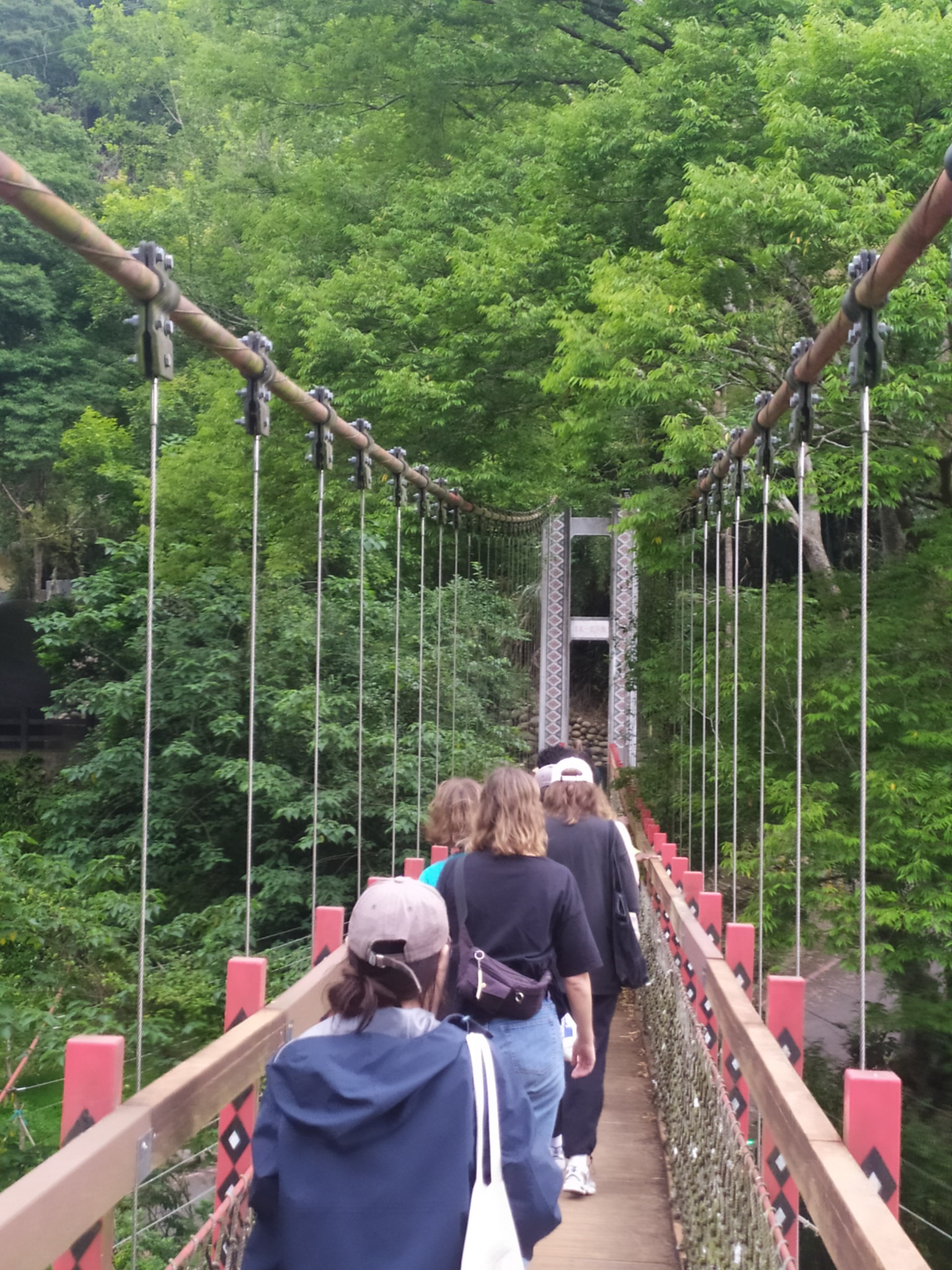
Next semester, I will open a new course exploring the "Meditative Humanities", in which students will be taught basic meditation techniques and will read essays at the boundaries of ethnography, phenomenology, and metaphysics. The main assignment for the semester is to do an ethnography of the mountain under which sits the university.
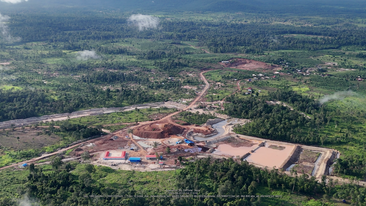
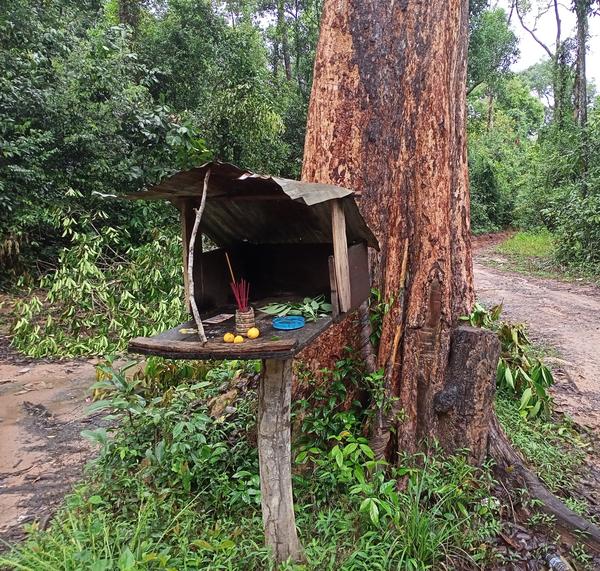
My courses introduce students to the confounding inseparability of politics, economy, and religion from the perspective of Southeast Asia. Readings include global examples of this phenomenon, lest students are confused by geography and modern nation states, but Southeast Asia is my main focus. In my course Sovereignty in Asia the very modern concept of “religion” is revealed to be, in fact, political philosophy for everyone but the Europeans. In another course on the Political Economy of Spirits and Religion in Southeast Asia, we see the land, the rocks, and the sea as intimate, even founding elements of local practices now identified with the major religions of Christianity, Buddhism, and Islam. In all cases of ‘conversion’, it becomes clear that it is not people who are converted to Islam, for example, but Islam that is converted to the land and its people. My course on the Cultural Ecology of Forests and Green Development takes students on a disturbing journey through the claims and follies of global development in the context of forests that think, fungi that communicate, and policies, maps, and counter maps that discribe and dissolve communities and companies through various modes of being political and economic in the world and its forests.